
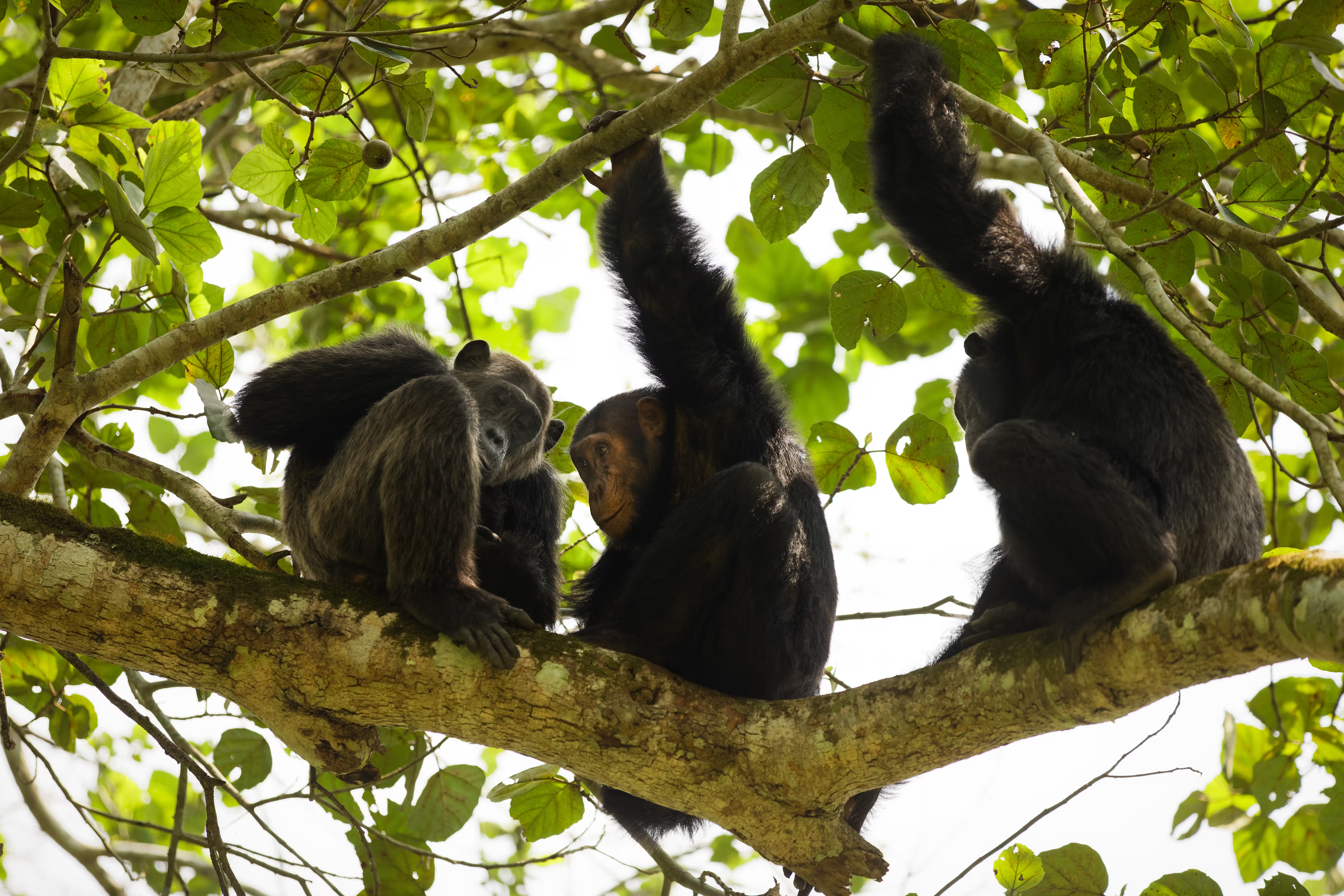
Chimpanzees are highly social. Male and female chimps have individual personalities, with females usually being more trusting and timid. Grooming is an important part of their social life, helping chimpanzees bond as they remove ticks and dirt from one another’s bodies.
Although they normally walk on all fours (known as knuckle-walking), chimpanzees can stand and walk upright. Chimpanzees have long arms, hands, and fingers, which help them climb trees and swing from branches.
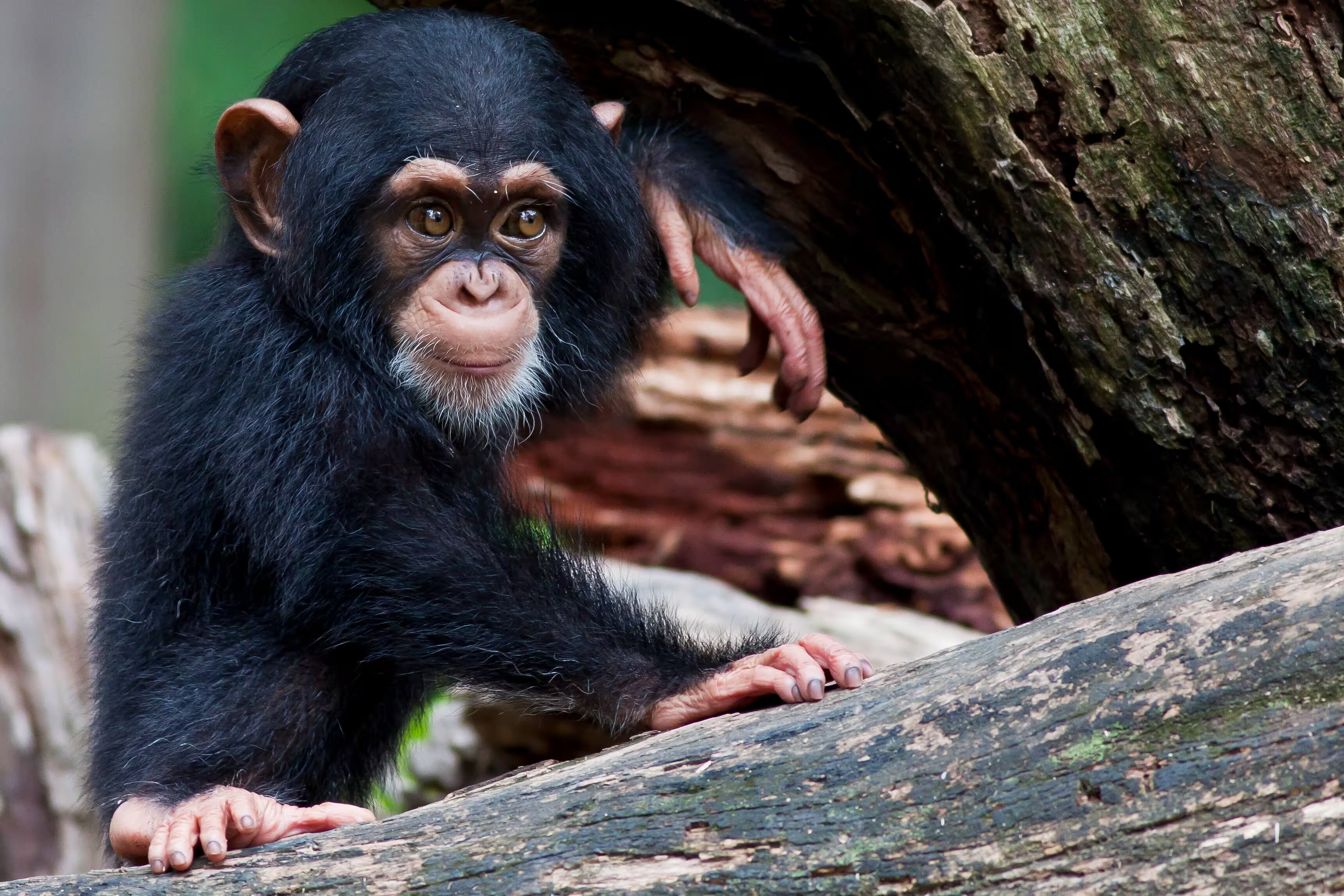
This animal is one of the only species that knows how to use tools, which primatologist Jane Goodall observed in 1960. As Goodall observed, chimps can shape and use sticks to retrieve insects from their nests or dig grubs out of logs. They use stones to smash open nuts and use leaves as sponges to soak up drinking water. Chimpanzees can even be taught to use some human sign language.
Though many chimpanzees live in tropical rainforests, they can also be found in woodlands and grasslands spanning from central to western Africa. They usually sleep in trees and build nests of leaves. Chimps also do most of their eating in trees. They prefer fruits and plants, but they also eat insects, eggs, nuts, and more.
Female chimpanzees typically give birth to a single infant, which clings to its mother's fur and later rides on her back until the time of weaning between ages three and five. Female chimps reach reproductive age at 13, while males are not considered adults until they are 15.